
Radiator Installationin Milngavie & Glasgow
New radiators fitted, old ones replaced, and extra rooms added to your heating system, sized and fitted correctly by Darren.
Fixed written price agreed before any work starts
10+ years
Plumbing & heating experience
Qualified
City & Guilds qualified engineers
Same-day
Service guaranteed
24/7
Emergency call-outs
Fully insured
Fixed written price first
Radiator Installation
Radiator installation and replacement in Milngavie and Glasgow
Radiator installation covers everything from replacing a single tired or leaking radiator to adding radiators into a new extension or loft conversion, or upgrading undersized radiators across a whole property to improve comfort and efficiency. It's one of the most common heating jobs Darren carries out across Milngavie, Bearsden and Glasgow, and correctly sizing and positioning each radiator is what makes the difference between a room that heats properly and one that never quite gets warm.
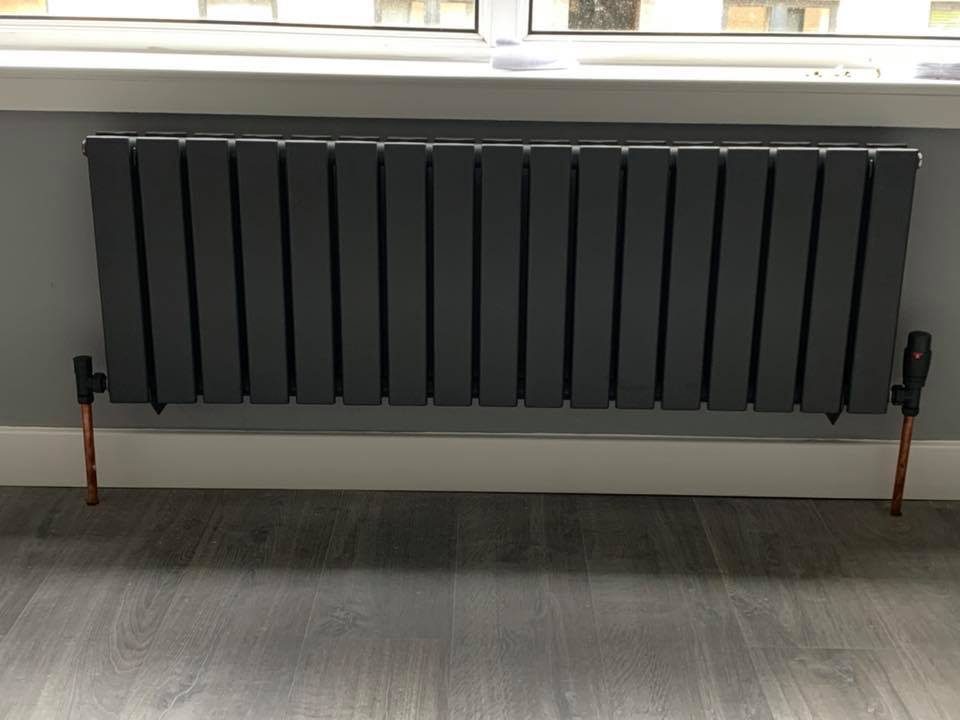
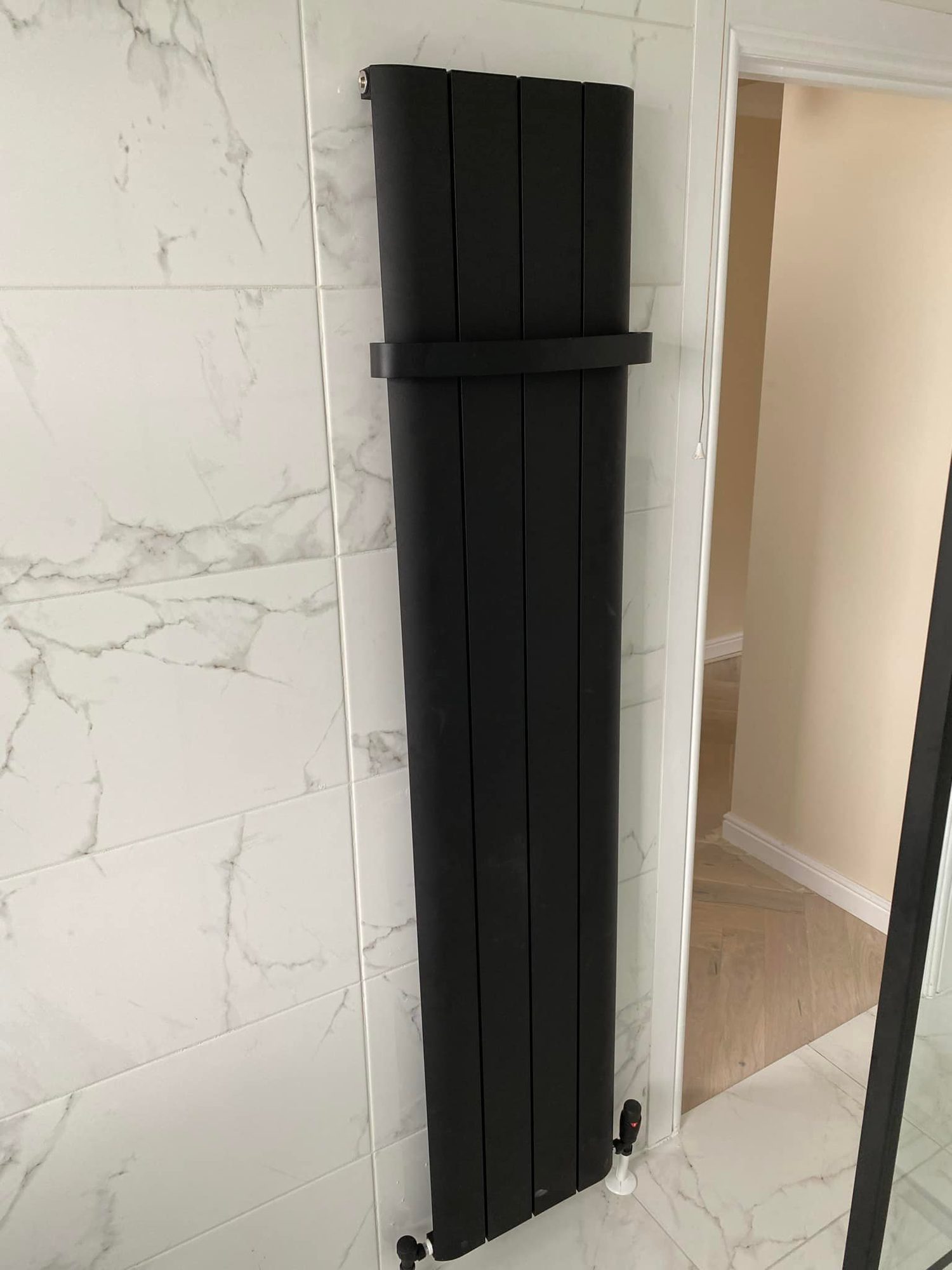
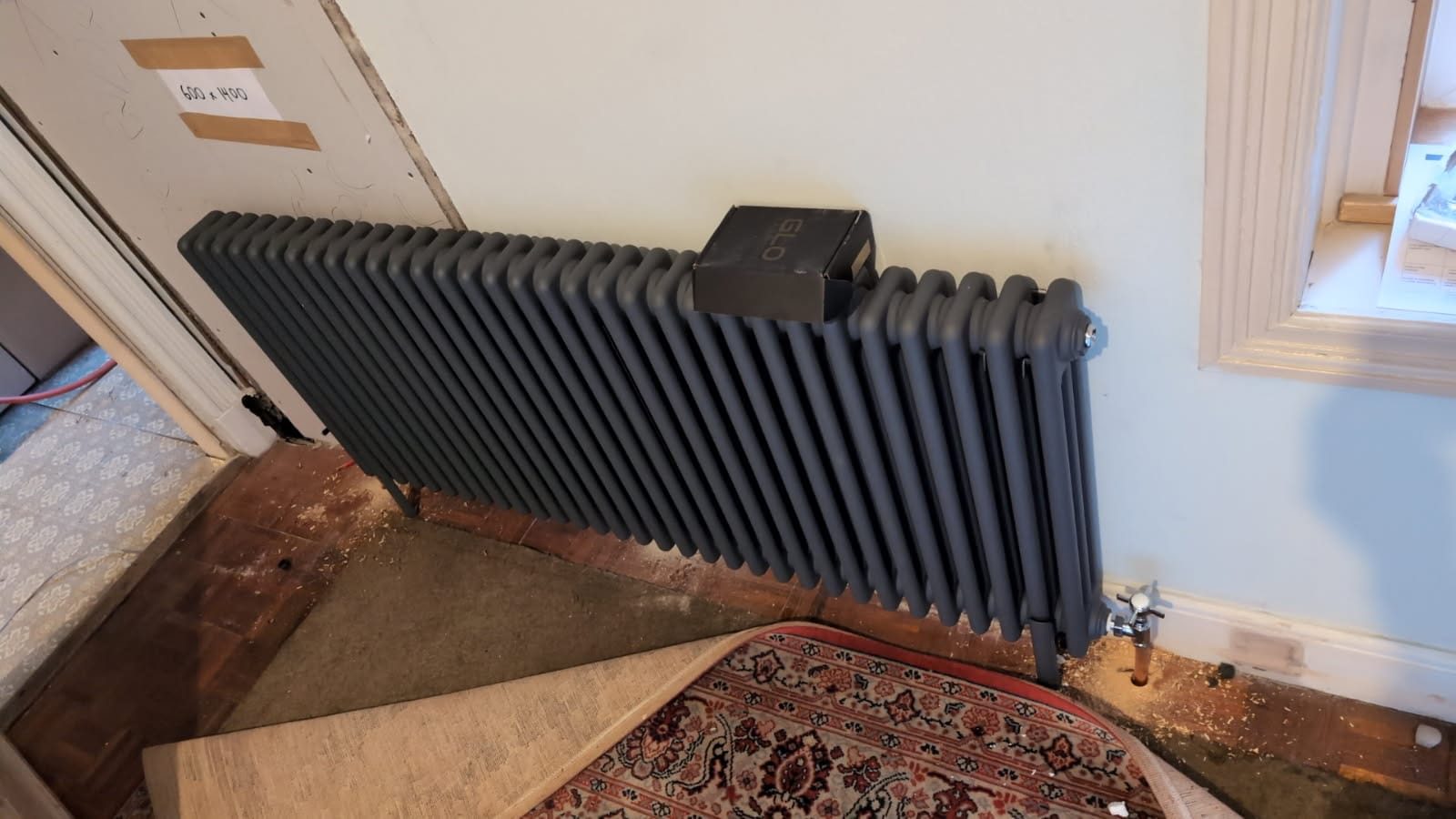
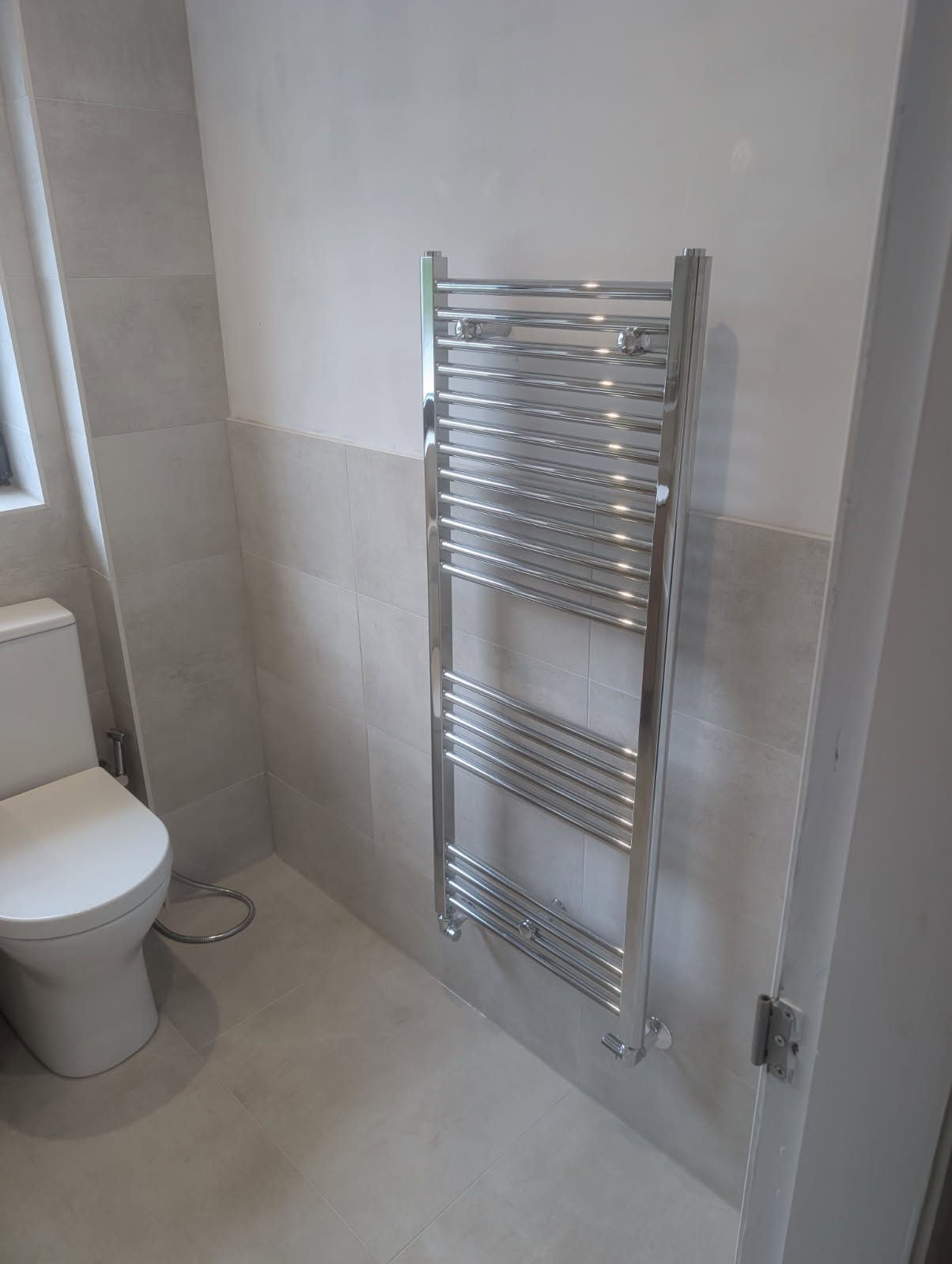
Modern radiators come in a wide range of types and outputs: standard panel radiators, double panel and double convector versions for higher output in the same footprint, column radiators for older or period-style properties, vertical radiators where wall space is limited, and towel radiators for bathrooms and en-suites. Choosing the right type isn't just about appearance, output has to match the room's heat loss, and that depends on wall construction, window area and how the room is used.
In Milngavie and Bearsden's older stone-built villas, replacing an undersized single panel radiator with a double panel or double convector unit of the same physical size is one of the most effective, straightforward upgrades available, often solving a room that's never felt warm enough without any other changes to the system. In newer, better-insulated properties, radiator upgrades are less often about output and more about adding radiators to extensions or converted spaces such as lofts and garages.
What it is
Fitting new radiators, replacing old or damaged ones, or adding radiators to extend heating into new rooms, including sizing, positioning, connection to existing pipework and fitting of valves and controls.
Who it's for
Homeowners with cold or leaking radiators, anyone converting a loft, garage or extension who needs heating extended into the new space, and property owners upgrading undersized radiators for better comfort and efficiency.
When you need it
When a radiator is leaking, corroded or no longer heating properly, when a room consistently feels cold despite the heating being on, when new floor space is added to a property, or when replacing radiators as part of a wider refurbishment.
Why use a professional
Radiator output has to match the room's actual heat loss, connections to pipework need to be leak-free and properly valved, and incorrect installation can throw the whole system's balance out, affecting rooms beyond the one being worked on.
The cost of waiting
What goes wrong with poorly fitted or sized radiators
Radiators look like a simple component, but getting the size, type or fitting wrong causes problems that ripple through the whole heating system, not just the room where the radiator sits.
Rooms that never reach a comfortable temperature
A radiator that's too small for the room's heat loss will never adequately heat that space, regardless of how long the heating runs or how high the thermostat is set.
Leaks at poorly made connections
Radiator valve connections that aren't properly sealed or tightened correctly lead to slow leaks that can go unnoticed until they've caused damage to flooring or the ceiling below.
System-wide balance problems
Adding or replacing a radiator without rebalancing the rest of the system can starve other radiators of flow, meaning a change made to fix one room's comfort ends up creating a cold spot somewhere else.
Reduced boiler efficiency
Radiators that are undersized cause the system to run for longer at higher output trying to compensate, using more gas than a correctly sized radiator would for the same comfort level.
Common mistakes we see
- Choosing a radiator based on wall space available rather than the room's actual heat loss
- Reusing old, worn valves on a new radiator instead of fitting new ones matched to the unit
- Failing to rebalance the system after adding or replacing a radiator
- Fitting a radiator without isolation valves, making any future removal or repair mean draining the system
Our process
How We Handle Your Radiator Installation
01
Assessment and sizing
Darren assesses the room, considering wall construction, window area and how the space is used, to calculate the radiator output needed and recommend an appropriate type and size.
02
Fixed written quote
You receive a fixed written price for the radiator, valves and fitting before work begins, covering the full job with no hidden extras.
03
Removal of old radiator where applicable
Any existing radiator is drained and removed, and pipework is checked and prepared for the new unit, or extended for a newly added radiator.
04
Fitting and connection
The new radiator is hung level, connected with new valves suited to the unit, and the system is refilled and checked for leaks at every joint and connection.
05
Bleeding and rebalancing
The radiator is bled to remove trapped air, and the wider system is rebalanced so the new or replaced radiator doesn't affect the heat distribution to other rooms.
What you get
The Benefits of Using Young's
Speed: single radiator jobs often same-day
Straightforward single radiator replacements can usually be completed the same day, minimising disruption to the room and the wider household.
Safety: correctly connected, leak-tested pipework
Every connection is pressure tested for leaks before Darren leaves, avoiding slow leaks that could damage flooring or ceilings later.
Longevity: correctly sized and properly balanced
Radiators sized to match actual room heat loss and fitted with proper valves last longer and perform consistently, rather than being overworked to compensate for undersizing.
Cost savings: efficient heat output for less energy
A correctly sized radiator heats a room efficiently without the system needing to run longer or hotter than necessary, keeping energy costs down.
Reliability: consistent results across property types
Ten-plus years of fitting radiators in everything from stone villas to modern new-builds means Darren anticipates how different property types respond to radiator changes.
Peace of mind: fixed price, no surprises
The fixed written price agreed before work starts covers the radiator, valves and fitting, so there's nothing unexpected added to the bill afterwards.
In detail
Choosing and fitting the right radiator for the room
Not every radiator is the right fit for every room. Here's how radiator type, sizing and fitting decisions are made across the range of properties Darren works in.
Radiator types and where they suit
Standard single panel radiators suit smaller, well-insulated rooms with modest heat loss. Double panel and double panel convector radiators deliver significantly more output from the same wall space and are the usual choice for larger rooms or older properties with higher heat loss. Column radiators suit period properties where appearance matters as much as output, while vertical radiators are useful where floor-level wall space is limited, such as in a hallway or narrow room.
Towel radiators for bathrooms and en-suites need to be sized for both heating the room and drying towels effectively, and are often specified alongside an electric element for standalone use in summer when the main heating isn't running.
Sizing radiators correctly
Radiator output is measured in BTUs or watts, and the correct output for a room depends on its volume, the number and size of external walls and windows, and the insulation standard of the property. A room with a large single-glazed bay window needs considerably more output than an equivalent double-glazed room, even at the same floor area.
Darren calculates this per room rather than applying a rule of thumb, which is particularly important in Milngavie and Bearsden's older stone properties where wall construction varies significantly from room to room, sometimes within the same house.
Valves and connections
Thermostatic radiator valves allow individual room temperature control and are fitted as standard on new installations, alongside a lockshield valve on the opposite side used to balance flow through the radiator relative to the rest of the system.
Connections are made with new valves matched to the radiator, not old valves reused from a previous unit, since mismatched or worn valves are a common source of slow leaks that develop over time.
- Standard and double panel radiators for general room heating
- Column radiators for period-style properties
- Vertical radiators where floor-level wall space is limited
- Towel radiators for bathrooms and en-suites, with optional electric element
Rebalancing after radiator changes
Any change to a radiator, whether a straight swap, an upsize, or an addition, has the potential to change how flow is distributed through the rest of the system. Darren rebalances the system after fitting to make sure the change delivers the intended improvement without creating a new cold spot elsewhere in the property.
Related services
Central Heating Installation, Central Heating Repairs, Underfloor Heating. See all services or head back to the homepage.
Radiator Installation near you
Glasgow, Clydebank, Bishopbriggs, Kirkintilloch, Lenzie, Milngavie, Bearsden, Westerton and every area we cover. Questions? Contact us.
Same-Day Service Guaranteed
Get the right radiator, properly fitted
Call Darren on 07739 503430 or 0141 405 0003 for correctly sized radiator installation with a fixed price agreed up front.
- Fully qualified & insured
- Fixed written price before work starts
- Open 24 hours, 7 days a week
Request your free quote
Takes under a minute. No obligation.
Or call us direct on 07739 503430 · 0141 405 0003